Backpack Size Guide: How to Pick the Right Size for Any Trip
Backpack size is one of those things nobody thinks about until they get it wrong. Too small and you're cramming a weekend's worth of clothes into a bag that was built for a lunch and a laptop. Too big and you're carrying empty space that adds bulk without purpose.
The problem is that backpack sizes aren't standardized in any useful way. Liters don't mean much until you know what actually fits inside a 20L versus a 30L versus a 40L. And "standard backpack size" is one of those terms that sounds definitive but varies wildly depending on who's using it.
This guide breaks it down by what you're actually doing, so you can match the right backpack size to the right trip without second-guessing.
What Do Backpack Sizes Actually Mean?
Most backpack sizes are measured in liters, which refers to the total internal volume of the bag. But volume alone doesn't tell the whole story. Two backpacks with the same liter rating can feel completely different depending on how the space is distributed, how many compartments they have and whether the material adds unnecessary weight.
Here's a general backpack size chart to give you a starting point:
| Size category | Volume range | What it fits | Best for |
|---|---|---|---|
| Small | 10-20L | Phone, wallet, keys, water bottle, a light layer | Daily errands, short commutes, gym |
| Medium | 20-30L | Laptop, charger, a change of clothes, toiletries | Day trips, commuting, short overnights |
| Large | 30-45L | Multiple outfits, laptop, toiletries, shoes, a day bag | Weekend trips, carry-on travel, work trips |
| Extra large | 45L+ | Full week of clothes, gear, layering options | Extended travel, hiking, checked luggage |
The average size of backpack that most people reach for daily falls somewhere in the 20-30L range. That's enough for a laptop, a few personal items and maybe a packed lunch, without looking or feeling oversized.
How to Pick the Right Backpack Size for Your Trip
The best way to choose isn't by guessing liters. It's by thinking about what you're packing and how long you'll be gone.
Daily Commute or Errands
A medium backpack (20-30L) is the sweet spot for daily carry. Here's what to look for:
- Size: Big enough for a laptop, charger, headphones and a light jacket. Anything larger feels half-empty; anything smaller means you're cramming or leaving things behind.
- Organization over volume: A single-compartment pack forces everything into one pile. Look for a dedicated laptop sleeve, an interior zip pocket and a few smaller compartments to keep things separated and findable.
- Material matters: A polished finish helps your backpack read as intentional, not outdoorsy.
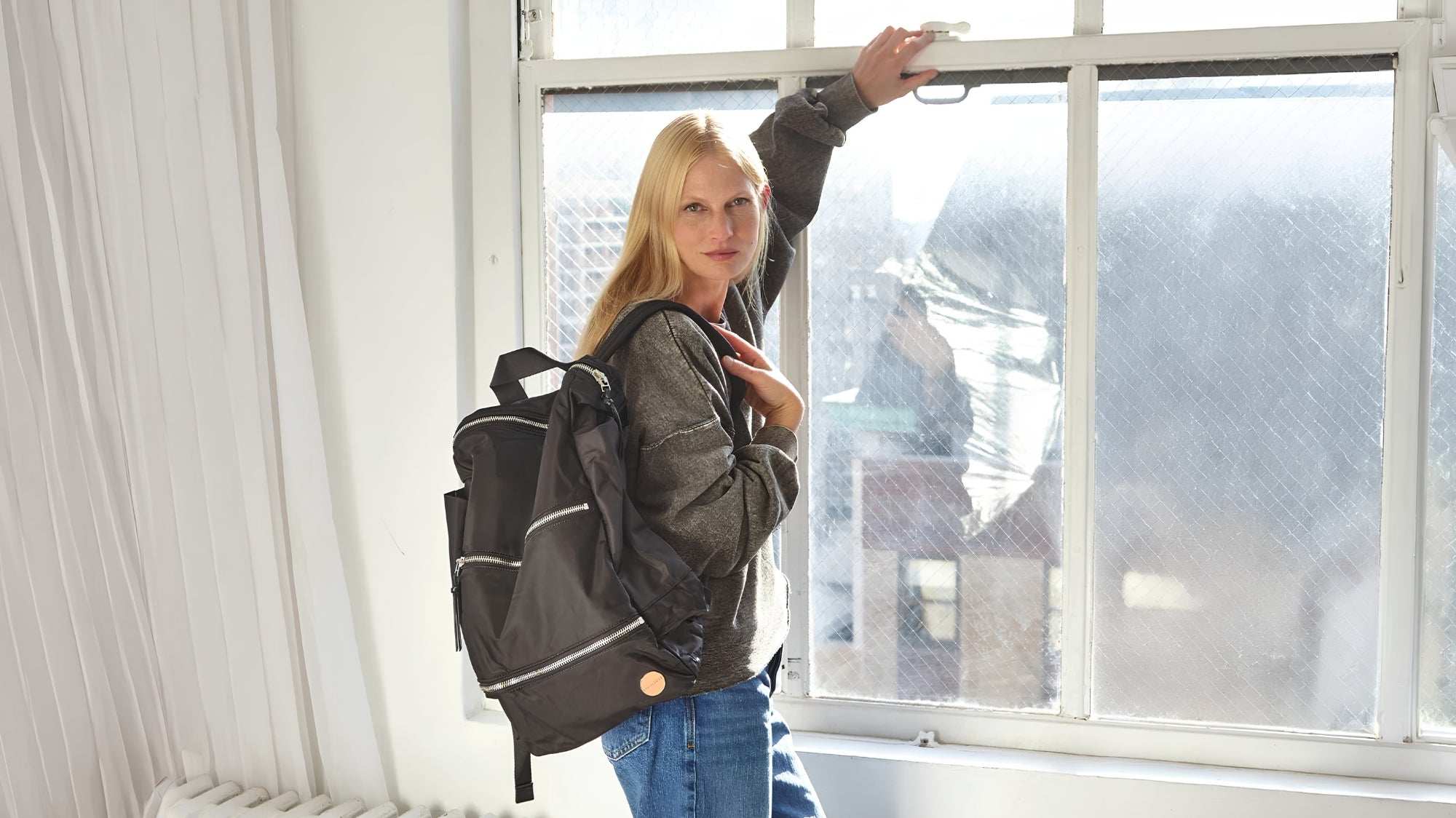
- The tate from shortyLOVE's wave quilt collection handles a full commute setup with quilted nylon and that signature blush lining so you can actually see what's inside.
Weekend Trip or Overnight
This is where most people size up too far. What a weekend actually calls for:
- 2-3 mix-and-match outfits a pair of shoes, toiletries and maybe a laptop. That's a large backpack in the 30-40L range, not the 50L behemoth you're eyeing.
- Compartments beat capacity: The trick isn't a bigger bag. It's a bag where clothes, toiletries and tech aren't all piled on top of each other.
- The boxer from shortyLOVE's O.G. collection is built for exactly this: multiple compartments, nylon twill construction that's lighter than most travel packs its size, and enough room for a full weekend without checking a bag. The tate handles weekends too in a slightly smaller, more textured frame.
Carry-on Air Travel
Most airlines allow carry-on bags up to about 22" x 14" x 9" (56 x 36 x 23 cm). Here's how to make it work:
- Stick to 30-40L: A well-structured backpack in this range fits the overhead bin without a fight. Both the boxer and the tate meet carry-on requirements for most airlines.
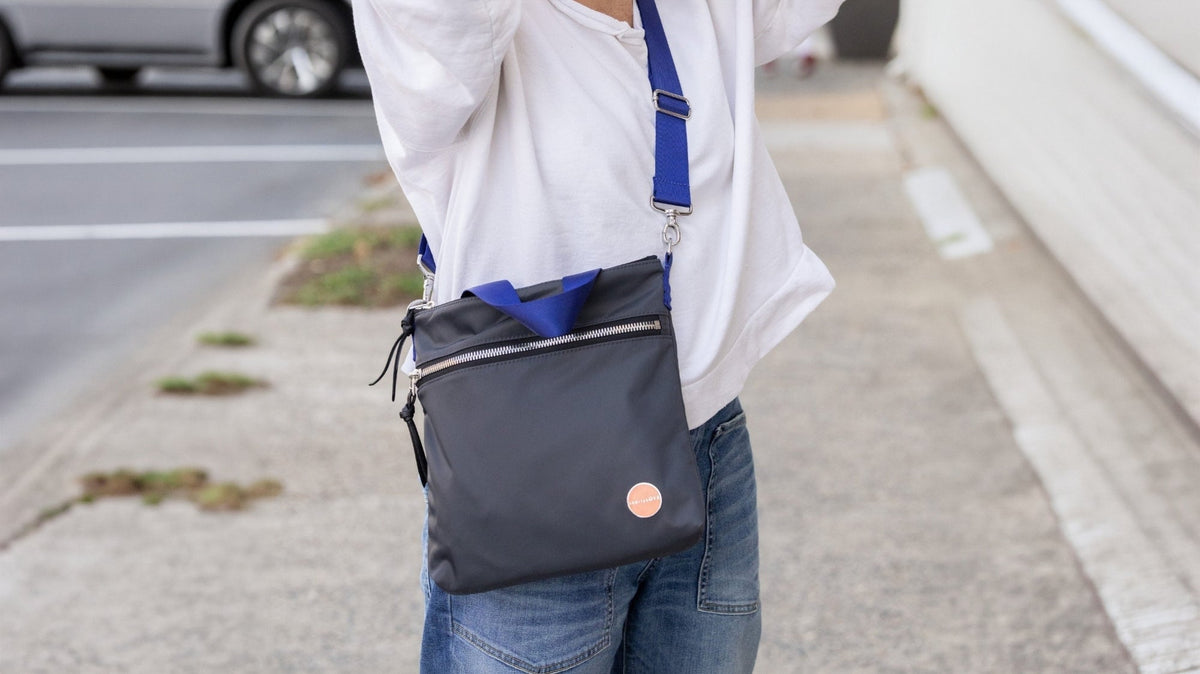
- Pair it with a crossbody: Tuck an amuse or shorthand inside the backpack on your way to the airport, then pull it out once you board. It holds your in-flight essentials (phone, wallet, earbuds, charger) and becomes your sightseeing bag once you land.
Extended Travel or Hiking
Anything over 45L is for longer trips, multi-day hikes or situations where you genuinely need a week's worth of gear. For most everyday travelers, this is more bag than you'll ever need, and the extra size adds weight and bulk that can make a trip harder instead of easier.
Quick Reference: Backpack Size by Trip Type
| Trip type | Recommended size | What fits | shortyLOVE pick |
|---|---|---|---|
| Daily commute | 20-30L | Laptop, charger, lunch, light jacket | the tate (quilted, polished) |
| Weekend trip | 30-40L | 2-3 outfits, laptop, toiletries, shoes | the boxer (largest capacity) |
| Carry-on flight | 30-40L | Weekend clothes, toiletries, personal items | the boxer or tate + a crossbody |
| Extended travel | 45L+ | Full week of gear, layering, bulkier items | Size up beyond what shortyLOVE makes |
Both the boxer and the tate are vegan, cruelty-free nylon with zip closures, interior zip pockets and adjustable straps. Designed by Sloane Gibney Grossberg, who spent over a decade as accessories design director at Marc Jacobs before launching shortyLOVE.
What Size Is a Standard Backpack?
This is one of the most searched questions about backpack size, and the honest answer is: it depends on who's defining "standard."
- For everyday use (commuting, school, errands): A standard backpack size falls in the 20-25L range. That's what most people picture when they think of a regular backpack.
- For travel: The standard shifts up to 30-40L, which is large enough to hold a few days' worth of clothes and gear without needing to check a bag.
- For hiking and outdoor use: Standard starts at 40L and goes much higher depending on the trip length and terrain.
There's no single "standard backpack size" that covers every situation. The better question is always: what am I using it for?
Pick the Right Size for How You Travel
The right backpack size isn't the biggest one you can find. It's the one that matches what you're carrying, fits where it needs to fit and doesn't add dead weight before you've packed anything.
Browse shortyLOVE's full backpack collection to compare the boxer and tate side by side. Or take the style quiz if you're not sure whether a backpack, tote or crossbody is the better fit for how you move.
Frequently Asked Questions
What are the most common backpack sizes?
The most common backpack sizes for everyday use fall between 20-30L. For travel, 30-40L is the most popular range. Anything above 45L is typically for extended trips or hiking where you need to carry significantly more gear.
What size is a standard backpack?
A standard backpack size for daily use is around 20-25L. For travel, the standard shifts to 30-40L. There's no universal "standard" because the right size depends entirely on what you're using it for.
How do I know what backpack size I need?
Start with what you're packing, not how big the bag looks. For a daily commute with a laptop and a few essentials, 20-30L works. For a weekend trip with clothes and toiletries, 30-40L is the sweet spot. For anything longer, go above 40L.
Can a large backpack work as a carry-on?
Yes. Most carry-on size limits allow bags up to about 22" x 14" x 9". A well-structured backpack in the 30-40L range fits within those dimensions and slides into most overhead bins.
Is a backpack or tote better for travel?
A backpack distributes weight across both shoulders and frees your hands completely. A tote with a crossbody strap offers faster access and transitions more easily from the airport to other settings. For heavier packing, a backpack is usually the better choice.
What is the average size of a backpack for women?
The average size of backpack most women use for daily carry is 20-25L. For travel, women often prefer backpacks in the 30-40L range because they offer enough room for a few days of clothes without being oversized or difficult to manage.

Written by sloane grossberg