How to Organize Your Purse (Without Buying Another Insert)
Search "purse organizer" and you'll find thousands of felt inserts, accordion dividers, drop-in pouches and snap-together compartment systems. All of them promise to fix a messy bag. Most of them create a new problem: an insert that doesn't quite fit your bag, shifts every time you reach in and takes up space you were trying to organize in the first place.
A purse organizer insert is a workaround for a bag that wasn't designed with organization in mind. If your bag has one big open compartment, no zip pockets, no exterior pocket and a dark lining that hides everything, no insert is going to make it functional. It's just going to add a layer between you and the mess.
The real fix isn't an accessory. It's a bag that does the organizing for you. Here's how to organize your purse by addressing the actual problem, not the symptoms.
Why Purse Organizer Inserts Don't Actually Solve the Problem
Purse organizer inserts are one of the most-purchased bag accessories on the market. They're also one of the most-abandoned. Here's why:
They Never Quite Fit
Every insert is designed for a generic bag shape. Your bag isn't generic. The insert is either too wide (it bunches against the sides), too narrow (items slip between the insert and the bag wall), too tall (it sticks up past the opening) or too short (it slides around at the bottom). The insert that "fits most bags" doesn't fit any bag perfectly.
They Add Weight and Bulk
A felt purse organizer insert adds 0.25 to 0.5 lbs (0.11 to 0.23 kg) to your bag before you put a single thing inside. That doesn't sound like much until you remember the insert exists because the bag was already too heavy or too chaotic. Adding material doesn't solve either problem.
They Don't Fix the Real Issue
The real issue with a disorganized purse is the bag's design, not what's inside it. A bag with no zip pockets forces everything into one pile. A bag with no exterior pocket makes your phone unreachable without digging. A bag with a dark interior lining turns finding your keys into a guessing game. An insert adds dividers inside the pile. It doesn't add zip pockets, exterior access or visibility.
They Shift and Bunch
Most inserts aren't secured to the bag. They sit inside it. When you reach in and pull something out, the insert moves. When you set the bag down, the insert slides. Over time, the insert becomes part of the clutter instead of the solution.
What a Well-Designed Bag Has That an Insert Can't Add
The best purse organizer isn't a product you buy separately. It's the bag itself. A bag designed with built-in organization eliminates the need for an insert entirely.
Here's what to look for:
| Built-in feature | What it replaces | Why it works better than an insert |
|---|---|---|
| Interior zip pocket | The "valuables" section of an insert | Sewn into the bag; doesn't shift, can't be forgotten |
| Exterior zip pocket | Nothing (inserts can't add exterior access) | Phone, keys or transit card accessible without opening the bag |
| Light-colored interior lining | Nothing (inserts can't change your bag's lining color) | You can see everything inside at a glance |
| Structured bottom | The rigid base panel some inserts include | Built into the bag's construction; the bag stands upright on its own |
| Dedicated water bottle pocket | Nothing (inserts can't add exterior pockets) | Keeps liquids upright and away from your belongings |
| Zip-top closure | Nothing (inserts don't close your bag) | Prevents items from falling out when the bag tips |
Three of the six most important organizational features- exterior pockets, a light interior lining and a zip closure- can't be added by any purse organizer insert at any price. They have to be built into the bag.
How to Organize Your Purse in Three Steps (No Insert Needed)
Change What You Carry
Organization starts before you pack. Empty your bag, lay everything on a table and sort into three piles:
Keep: Phone, wallet or cardholder, keys, earbuds, lip balm, sunglasses. The items you reach for at least once a day.
Rotate: Portable charger, hand sanitizer, notebook, pen, medication. Pack these on the days you need them. Leave them home when you don't.
Remove: Receipts, duplicate items, pens that don't work, loyalty cards you never swipe, anything you haven't touched in three weeks.
Most people are surprised by how much falls into the "remove" pile. The bag wasn't disorganized because it needed more compartments. It was disorganized because it was carrying things that didn't need to be there.
Assign Every Item a Zone
Once you've edited down to essentials, give each item a fixed spot:
Exterior pocket: Phone and keys. The things you reach for most often, accessible without opening the bag.
Interior zip pocket: Wallet, cards, cash. Secure and separate from everything else.
Main compartment: Sunglasses, earbuds, lip balm, charger. The items that need space but not security.
A small pouch (if needed): Personal care items like lip balm, hand cream, a compact mirror and tissues. One pouch keeps these from scattering through the main compartment. This is the only "insert" worth using, and it's not an organizer. It's just a pouch.
Do a Five-Minute Weekly Reset
- Empty the bag every Sunday.
- Toss receipts, wrappers and anything that crept in during the week.
- Restock what you used up.
- Put every item back in its assigned zone.
- Wipe the interior with a damp cloth.
Five minutes keeps the bag organized without ever needing an insert.
The Bag That Organizes Itself
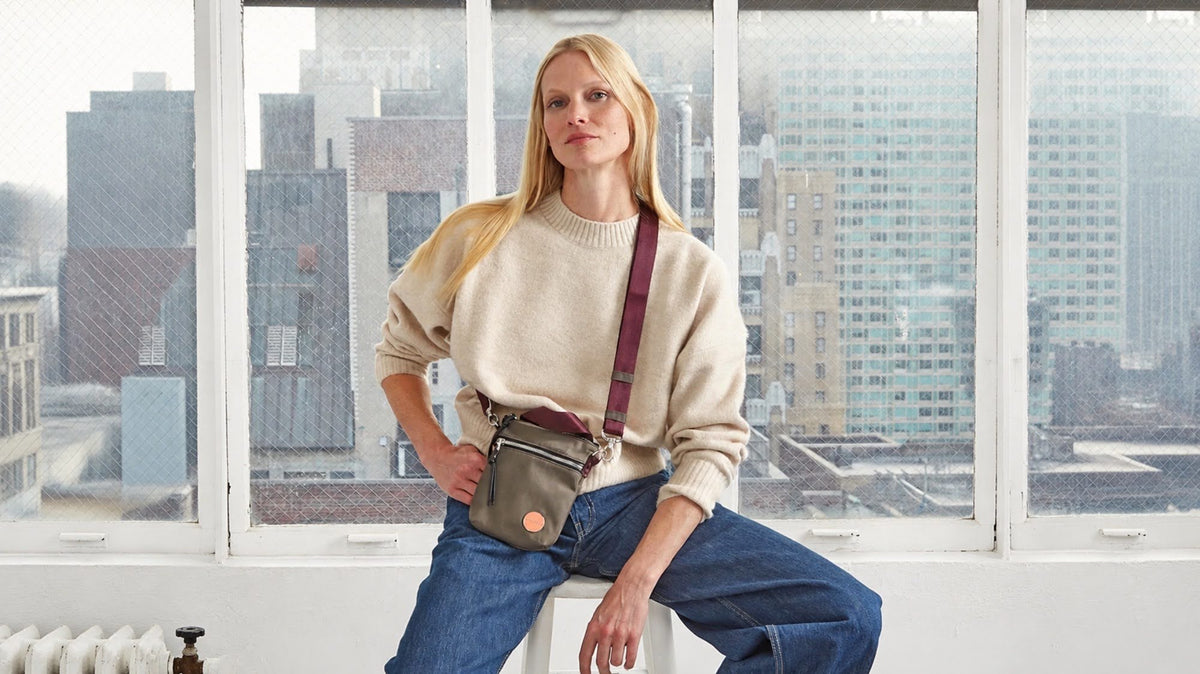
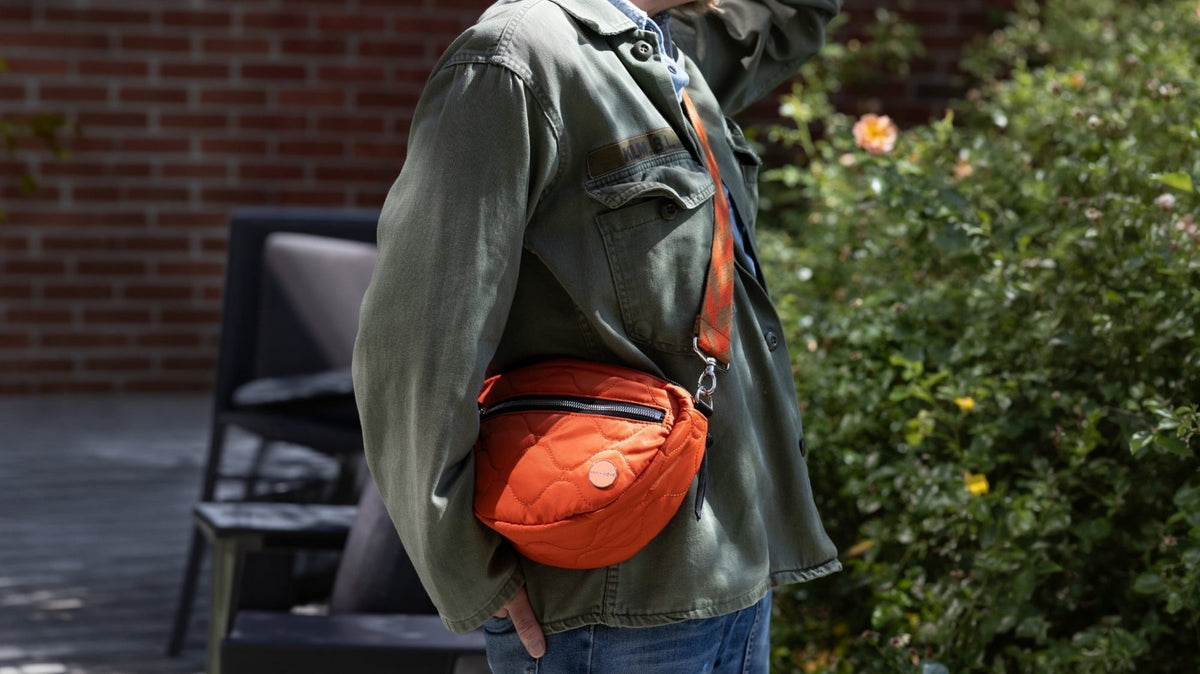
Every shortyLOVE bag is designed with the built-in features that purse organizer inserts try (and fail) to replicate. Every bag in both the O.G. collection and the wave quilt collection includes:
- Interior zip pocket for wallet, cards and valuables
- Exterior zip pocket for phone or keys (grab without opening the bag)
- Signature blush interior lining so you can see everything inside at a glance
- Zip-top closure so nothing falls out when the bag tips
- Structured construction so the bag stands upright and doesn't collapse into a pile
These features are sewn into the bag. They don't shift, don't add weight, don't need to be sized to fit and don't create a new layer of clutter.
The Purse Organizer Pouch That's Worth Having
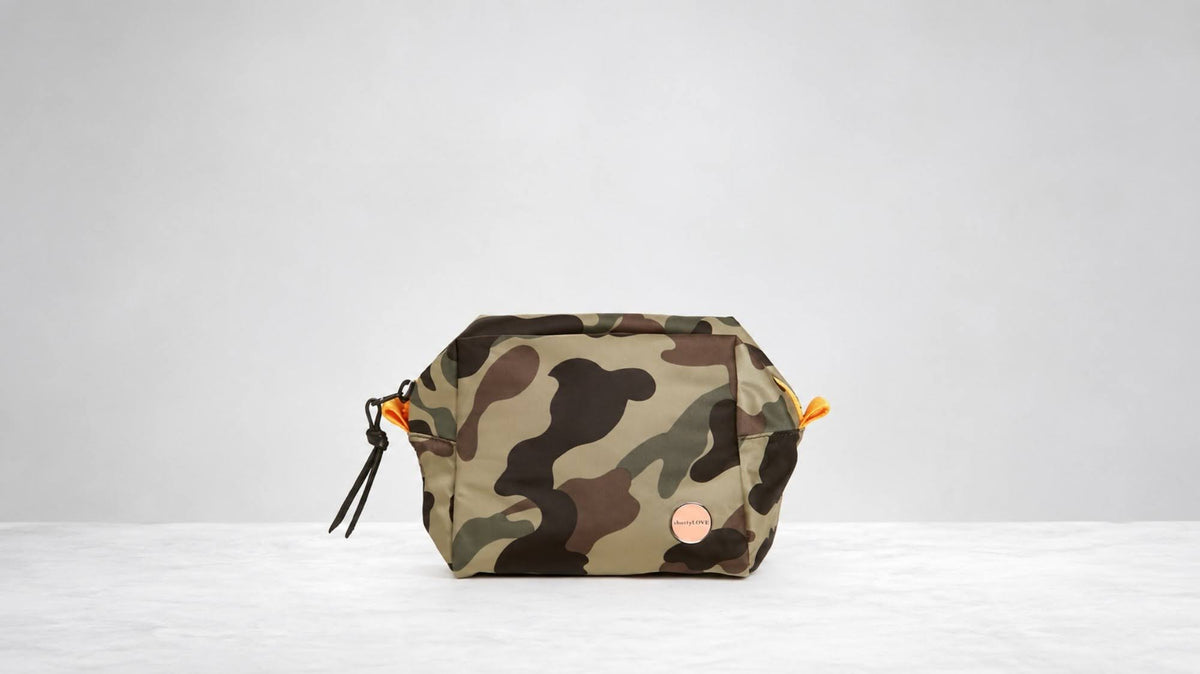
If you carry personal care items (lip balm, hand cream, a small mirror, tissues), one small pouch inside the bag keeps them contained. The stevie cosmetic bag from shortyLOVE is designed for exactly this. It zips closed, fits inside any bag in the lineup and keeps small items from migrating through the main compartment. That's the only purse organizer pouch worth buying: a simple zippered pouch for the one category of items that benefits from being grouped.
The Wallet That Simplifies Your Carry
A bulky wallet is one of the biggest sources of purse clutter. The merchant wallet is a slim alternative with RFID-blocking technology that fits neatly into an interior zip pocket. Switching from a full-size wallet to a slim cardholder is one of the simplest ways to reduce bag bulk and improve how quickly you find what you need.
Stop Fixing the Wrong Problem
A messy purse isn't a storage problem. It's a design problem. No purse organizer insert fixes a bag that was built with one open compartment, no zip pockets and a dark lining. The fix is a bag that does the organizing as part of its construction, not an accessory layered on top of a flawed design.
Every bag in the shortyLOVE collection is built with that principle. Pockets where you need them, a lining you can see into and a structure that stays put. The style quiz matches you to the right one based on how you carry.
Frequently Asked Questions
Do purse organizer inserts actually work?
They help with basic compartmentalization but don't solve the real problem. An insert adds dividers inside a bag that was poorly designed to begin with. It can't add exterior pockets, a light-colored lining, a zip closure or a structured bottom. These features have to be built into the bag itself. If your bag needs an insert to be functional, the bag is the problem.
How do I organize my purse without an organizer?
Edit what you carry (keep only daily essentials), assign every item a zone (exterior pocket for phone, interior zip for wallet, main compartment for the rest) and do a five-minute weekly reset. A bag with built-in pockets, a zip closure and a light interior lining makes this system work without any added accessories.
What is the best purse organizer?
The best purse organizer is a bag that doesn't need one. Look for a bag with an interior zip pocket, an exterior zip pocket, a light-colored lining, a structured bottom and a zip-top closure. These built-in features replace everything a purse organizer insert tries to do, without the fit problems, added weight and shifting that inserts create.
Should I use a pouch inside my purse?
One small zippered pouch for personal care items (lip balm, hand cream, tissues, a mirror) is worth it. It keeps that category contained without adding complexity. Anything beyond a single pouch starts replicating the insert problem: too many layers, too much shifting, too much to manage.
How often should I clean out my purse?
A five-minute reset once a week keeps clutter from building. Empty the bag, remove anything that doesn't belong, restock what you used and check that items are in their assigned zones. A monthly wipe of the interior keeps the bag looking and feeling fresh.
What features make a purse easy to keep organized?
An interior zip pocket, an exterior quick-access pocket, a light-colored lining, a zip closure and a structured bottom. These five features handle 90% of purse organization without any accessories. If a bag has all five, you won't need an insert, a divider or a drop-in system.

Written by sloane grossberg